Walking Around Historic Paris
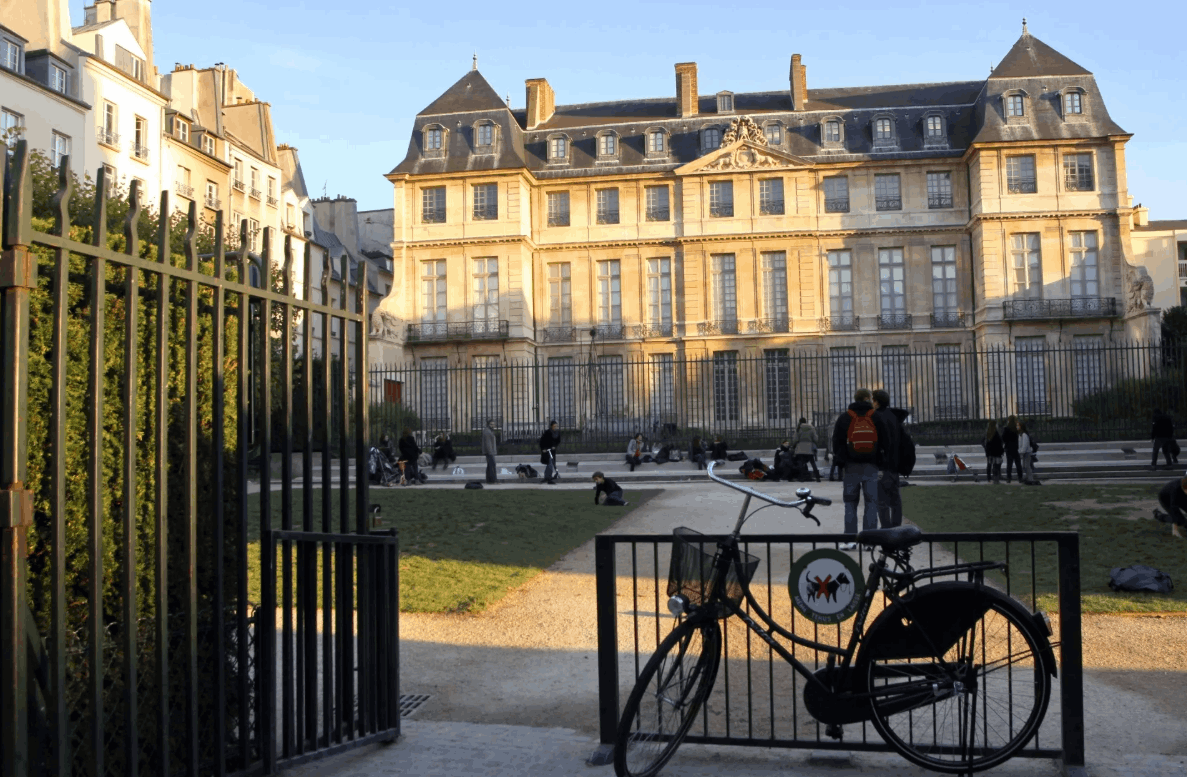
Walking through historic paris is often less about reaching a destination and more about observing how the city changes from one street to another. Every neighborhood carries a different atmosphere shaped by architecture, public squares, river reflections, and quiet details that many travelers overlook when moving too quickly. Around the Louvre, mornings begin with long shadows across stone pathways while nearby gardens slowly fill with local residents, photographers, and visitors searching for calm moments before the larger crowds arrive. The museum district feels connected not only through history, but also through movement, sound, and changing light across the city.
Many travelers begin their exploration near the Louvre because the surrounding streets naturally lead toward other important cultural areas. Walking beside the river toward Orsay creates a completely different rhythm compared with the large open spaces around the museum near the center of paris. The atmosphere near Orsay often feels quieter and more reflective, especially during cloudy mornings when the water and old buildings blend together in soft colors. Some visitors choose to spend hours simply observing the bridges, pathways, and architecture rather than focusing only on entering a museum space. These slower moments often become the most memorable part of a journey through france.
The relationship between paris and cultural history becomes especially visible when moving between districts connected with the Louvre, Orsay, and Pompidou. Each area presents a different interpretation of public life and artistic expression. Near Pompidou, modern architecture and open gathering spaces introduce a more energetic environment filled with movement, conversation, and contemporary street activity. Yet even in this lively district, early mornings or late evenings can feel surprisingly peaceful. The contrast between Pompidou and the older surroundings near the Louvre helps travelers understand how many different identities coexist within the same city.
Historic paris also rewards travelers who choose smaller streets instead of the most direct routes between famous landmarks. Narrow alleys, quiet courtyards, and hidden public gardens often reveal details impossible to notice from major avenues. A short walk away from a museum district may suddenly lead toward small bookshops, local cafés, or residential streets where daily life continues quietly in the background. These spaces create a softer and more personal side of paris that balances the monumental atmosphere surrounding places like the Louvre or Versalles palace.
For many visitors, the journey toward Versalles palace becomes an extension of their exploration through central paris rather than a completely separate destination. After spending time near the Louvre, Orsay, and Pompidou, the open landscapes surrounding Versalles palace feel dramatically different. Wide pathways, symmetrical gardens, and carefully planned architecture replace the dense urban atmosphere of the city center. Walking through these areas encourages slower observation and a stronger awareness of how design shapes movement and perspective. Morning light across the grounds near Versalles palace often creates a calm atmosphere that contrasts beautifully with the busy streets of paris.
The artistic legacy connected with Rodin can also be felt throughout many quieter areas of the city. Travelers interested in sculpture frequently notice how small museum gardens and public courtyards incorporate similar ideas of balance, texture, and stillness. In some paris neighborhoods, even ordinary streets seem influenced by artistic traditions connected with Rodin, particularly where older stone buildings and peaceful public spaces remain preserved. These subtle details help create the unique feeling many travelers associate with france and its long relationship with art and architecture.
Seasonal changes strongly influence the experience of walking through historic paris. During spring, trees near the Louvre and Orsay begin to fill with color while cool air moves through riverside pathways. Summer evenings bring long hours of sunlight that transform public squares near Pompidou into lively gathering spaces. Autumn creates softer tones around museum districts, and reflections across wet stone streets become part of the city’s visual character. Winter introduces a quieter atmosphere, especially during early mornings when the streets near the Louvre or Versalles palace remain almost empty.
One reason travelers continue returning to paris is because the city never feels completely finished or fully understood. Even familiar routes between the Louvre, Orsay, Pompidou, Rodin locations, and Versalles palace can appear different depending on weather, season, or time of day. A museum entrance that feels crowded in the afternoon may seem peaceful at sunrise. A public square near Pompidou may appear energetic one evening and calm the next morning. These changing impressions encourage travelers to move more slowly and notice details beyond famous landmarks.
Our project exists purely as a noncommercial source of cultural travel information about france. We are not associated with any museum, gallery, or institution mentioned in this article. Instead, we focus on thoughtful observations about paris, architecture, public spaces, and the atmosphere surrounding important cultural districts connected with the Louvre, Orsay, Pompidou, Versalles palace, Rodin heritage areas, and many other museum environments.
Walking through historic paris ultimately becomes an experience shaped by curiosity and attention rather than schedules or crowded attractions. The city reveals itself gradually through quiet streets, reflections along the river, conversations in public squares, and changing light across old stone buildings. Whether exploring areas near the Louvre, spending time beside Orsay, observing the modern surroundings of Pompidou, wandering near Versalles palace, or discovering spaces connected with Rodin, travelers often find that the atmosphere of paris itself becomes the most memorable part of the journey.